
Mule deer hunting during the rut is one of the most exciting experiences in the west. As autumn progresses and the breeding season begins, mature bucks become more active, less predictable, and easier to spot as they search for receptive does and compete with other males.
The rut can create excellent opportunities, but success still depends on preparation, patience, and a strong understanding of mule deer behavior.
The rut is the period when mule deer breeding activity reaches its peak. Although timing varies by elevation, weather, and region, the most noticeable rut activity often occurs in late fall.
During this period, bucks may:
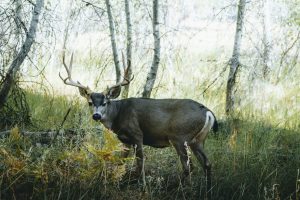
A buck that was difficult to locate earlier in the season may suddenly appear in open country or move through unfamiliar areas. However, increased movement does not make mule deer easy to hunt. Rutting bucks can cover large areas and may disappear as quickly as they appear.
Successful rut hunting usually begins well before opening day. Scouting helps you understand where deer feed, bed, travel, and seek shelter.
Look for:
Use binoculars or a spotting scope to observe deer from a distance, especially during early morning and late afternoon. Avoid walking through likely bedding areas unnecessarily. Preserving the area’s natural patterns can be more valuable than covering every ridge on foot.
During the rut, does are often the key to finding mature bucks. Bucks may spend much of their time checking groups of does, defending them, or searching nearby bedding areas.
Instead of looking only for antlers, glass areas where does are likely to gather:
Once you locate does, study the surrounding terrain carefully. A mature buck may be bedded nearby, trailing the group, or watching from cover above or below them.
Rutting bucks frequently move between bedding areas, feeding zones, and doe groups. These routes may include:
Set up where terrain naturally funnels deer movement. A concealed position overlooking a travel corridor can be more effective than constantly moving through the country.
Pay close attention to wind direction. A good ambush location is only useful if your scent remains away from approaching deer.
Spot-and-stalk hunting is a popular method for mule deer, and the rut can provide more opportunities for it. Begin by reaching a high vantage point before daylight, then glass slowly and systematically.
A useful glassing routine includes:
Avoid rushing from one glassing point to another. Many hunters miss deer because they spend more time walking than observing.
Mule deer are highly adapted to broken western terrain. Ridges, folds, cliffs, and timber can hide a buck only a short distance away.
When planning a stalk, consider:
Whenever possible, use terrain to stay below the deer’s line of sight. Move during wind gusts or other natural sounds, and pause frequently to check for movement.
Not every buck reacts to the rut in the same way. Some mature bucks become highly visible, while others become more secretive after increased hunting pressure.
A buck may:
Flexibility is important. If a familiar pattern stops producing, do not assume the deer have left the area entirely. They may have shifted to a nearby basin, changed bedding locations, or moved to avoid pressure.
Weather can strongly influence rut activity and deer movement. Cold temperatures, fresh snow, and changing weather fronts may encourage deer to move more during daylight.
Pay attention to:
After a storm, inspect crossings, travel corridors, and feeding areas for new sign. Snow can also make it easier to distinguish fresh tracks from older activity.
At the same time, severe wind or heavy precipitation may cause deer to remain in sheltered cover. Adjust your strategy rather than assuming bad weather always improves hunting.
Mature mule deer often spend daylight hours in secure bedding areas, even during the rut. Rather than pushing directly into thick cover, consider watching the edges.
Look for:
A patient hunter may catch a buck slipping into cover at first light or emerging late in the day. Entering bedding areas too aggressively can cause deer to leave the country or become nocturnal.
Rut hunts can create fast-moving opportunities, but shot selection should remain disciplined. Before the season, practice from realistic field positions and at distances you can reliably manage.
Prepare for:
Always identify the target and what lies beyond it. Do not take a rushed shot simply because the buck is actively chasing does.
Reliable equipment can make a long, demanding hunt more comfortable and effective. Consider carrying:
Comfortable footwear is especially important. Rut hunts often involve steep climbs, long glassing sessions, and difficult pack-outs.
Before hunting, confirm all applicable regulations, season dates, weapon restrictions, tag requirements, and blaze-orange rules. Public and private land boundaries should also be verified before entering an area.
Responsible hunters should:
Ethical hunting helps protect mule deer populations and preserves access for future generations.
Mule deer hunting during the rut combines strategy, endurance, and opportunity. Bucks may be more visible and active, but they can also travel unpredictably and respond quickly to hunting pressure.
The best approach is to scout carefully, glass patiently, focus on doe groups and travel corridors, and use the terrain and wind to remain undetected. With good preparation and ethical shot selection, the rut can provide some of the most memorable mule deer hunting of the season.